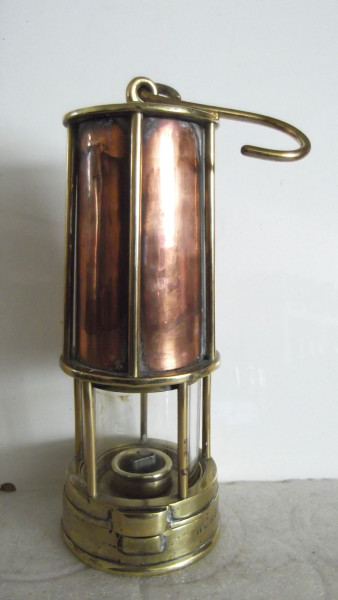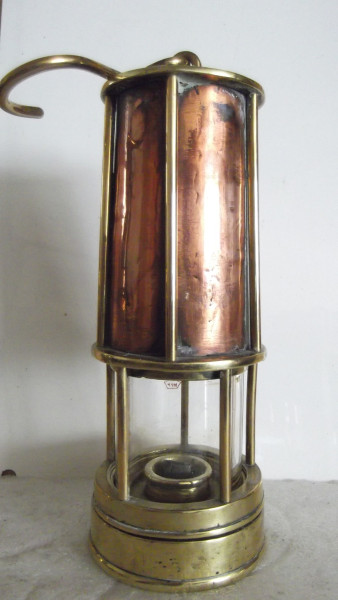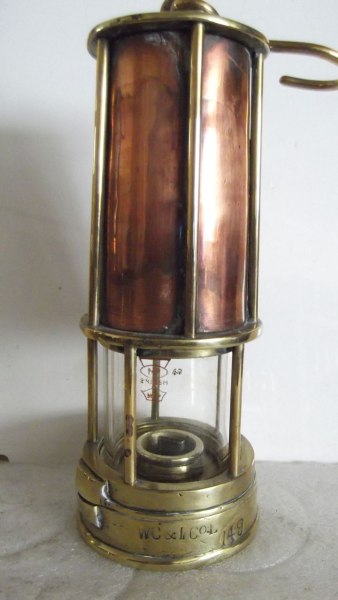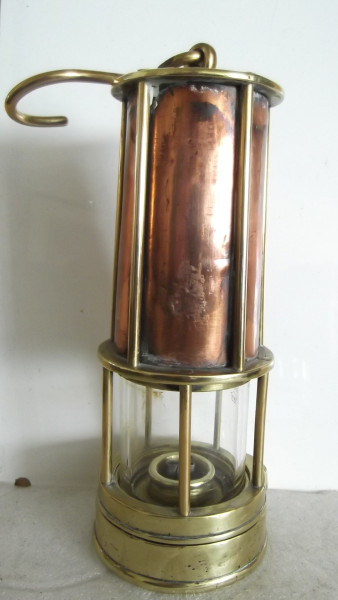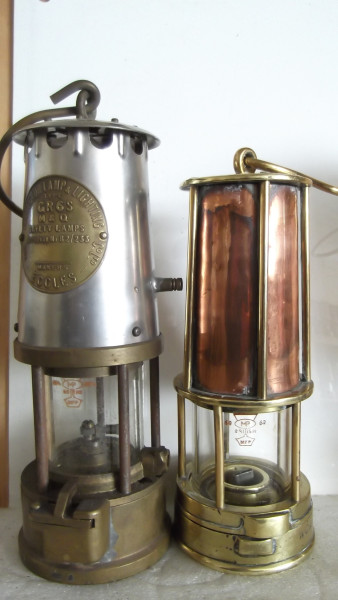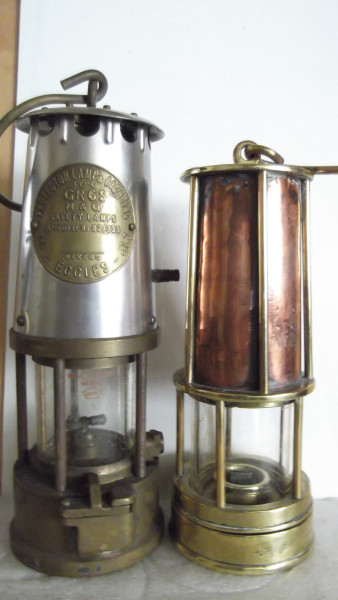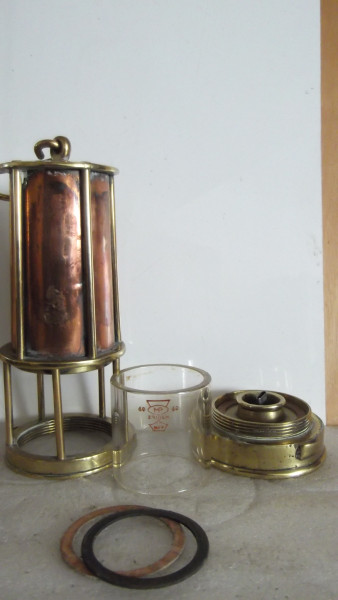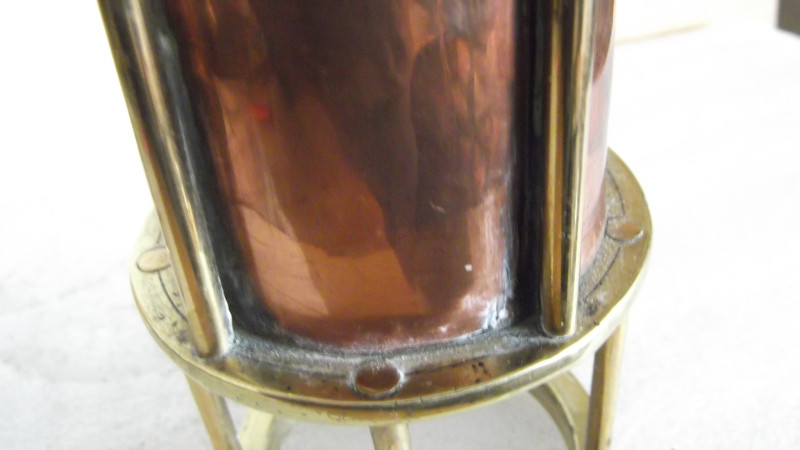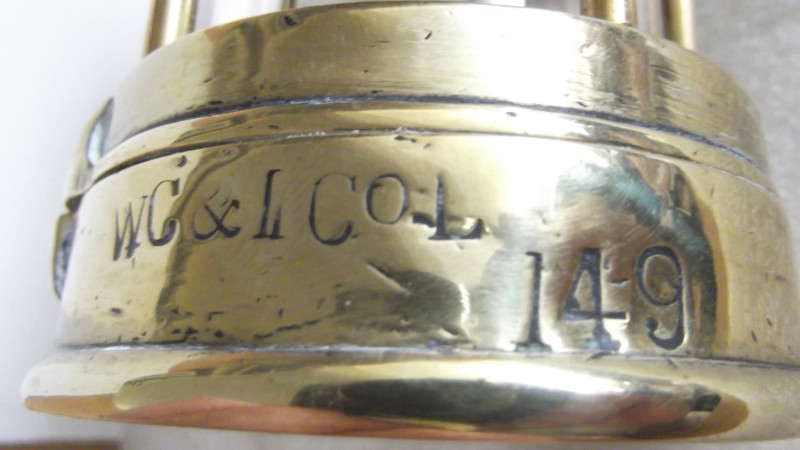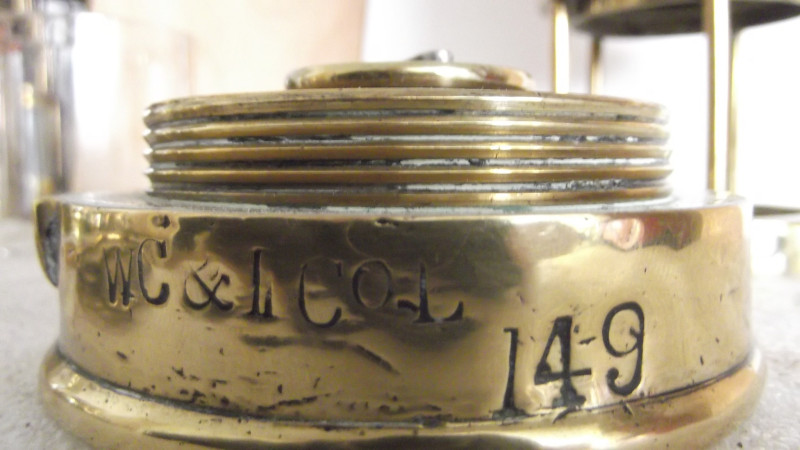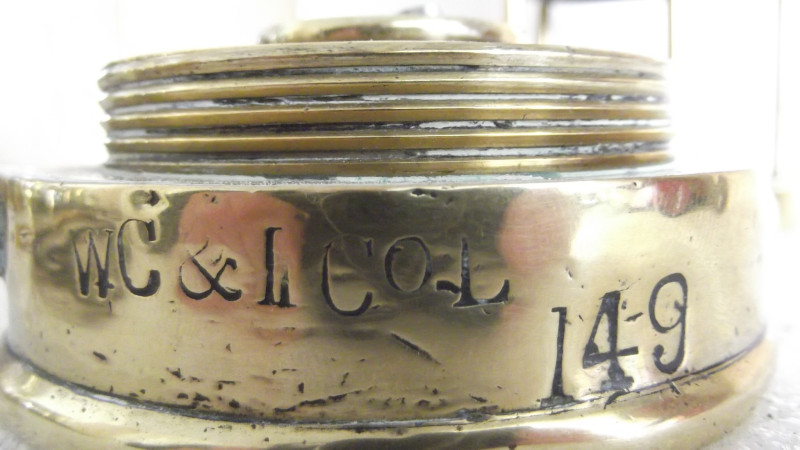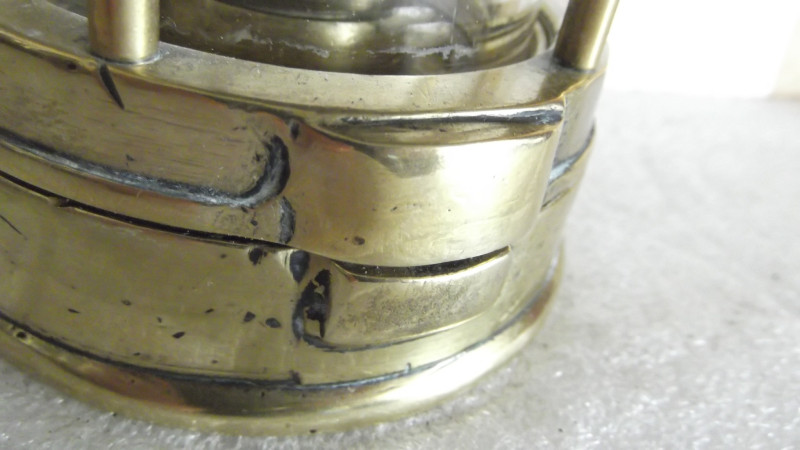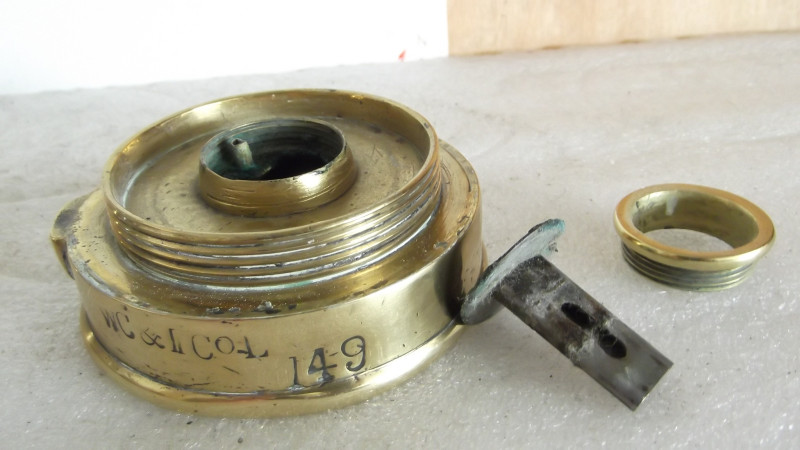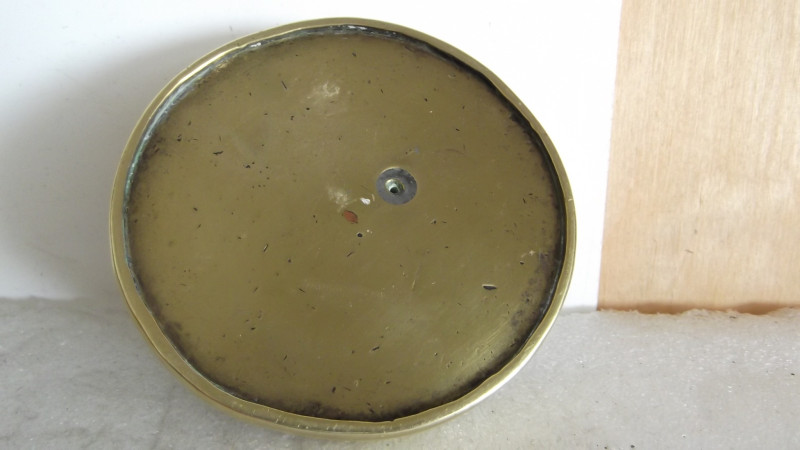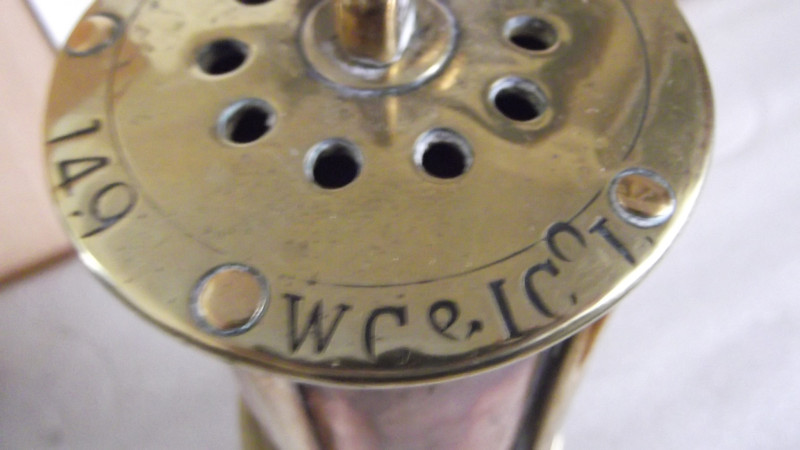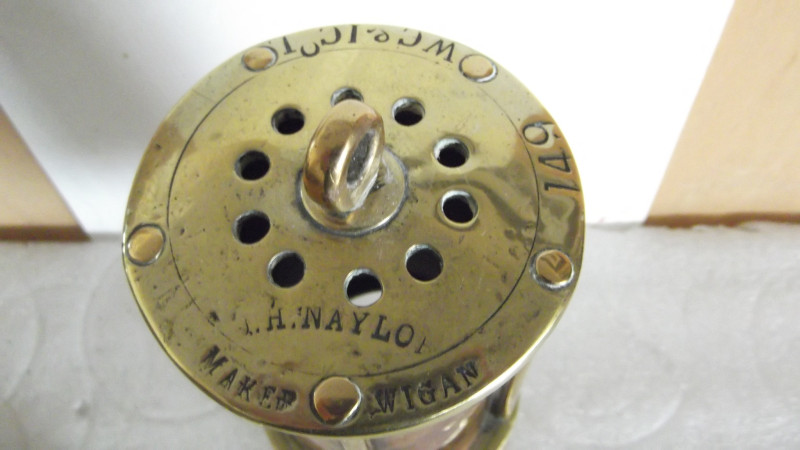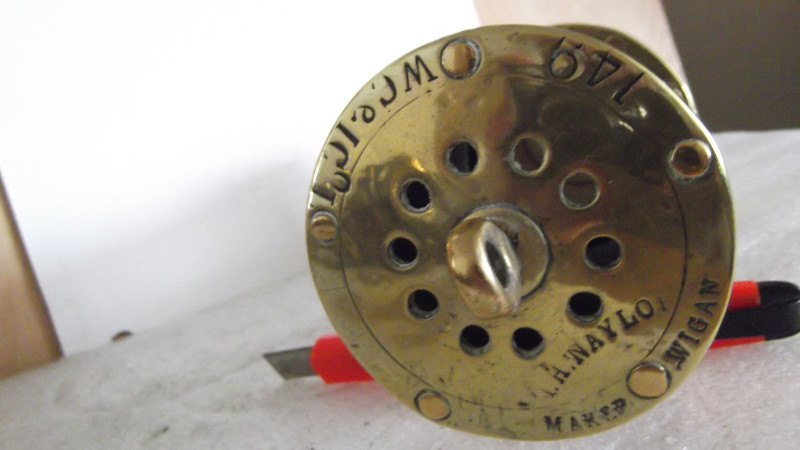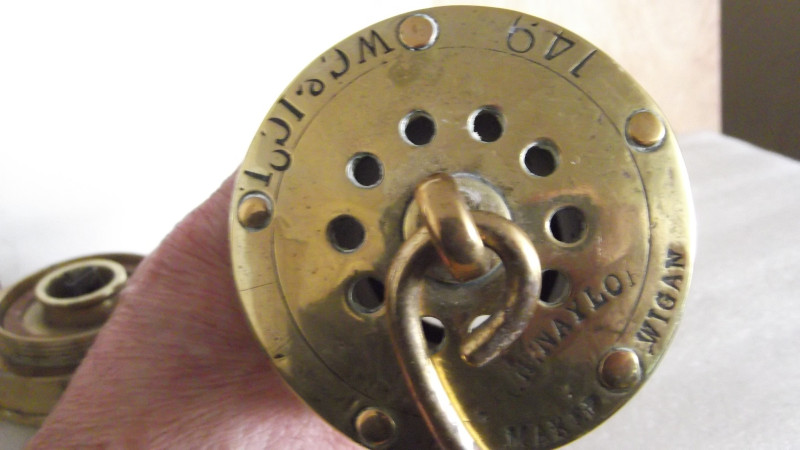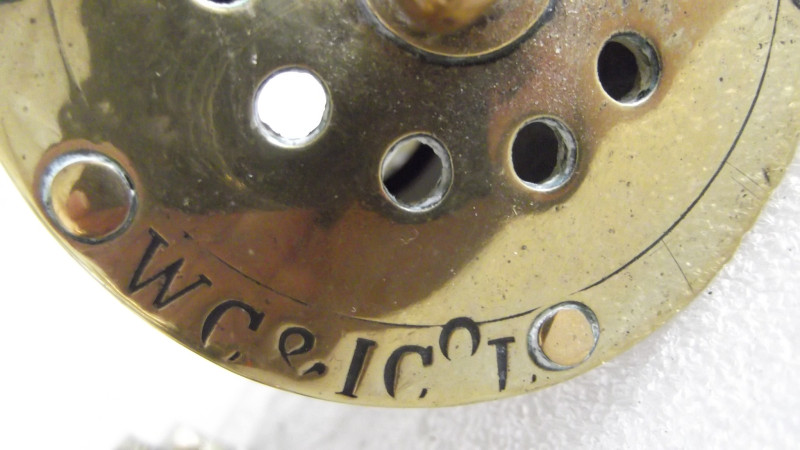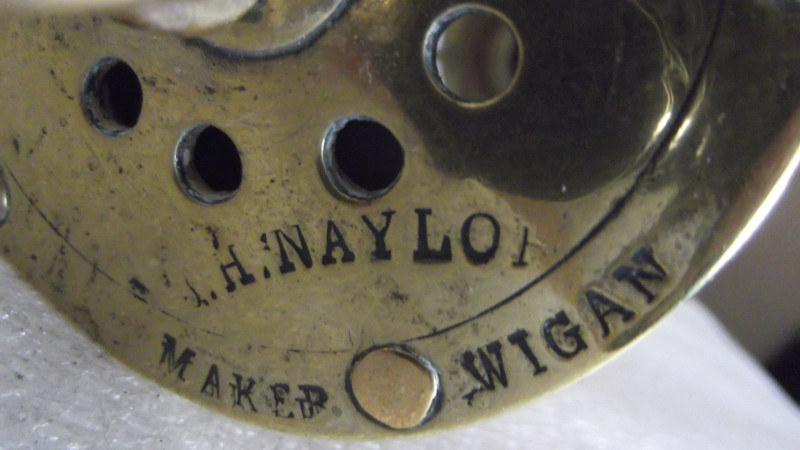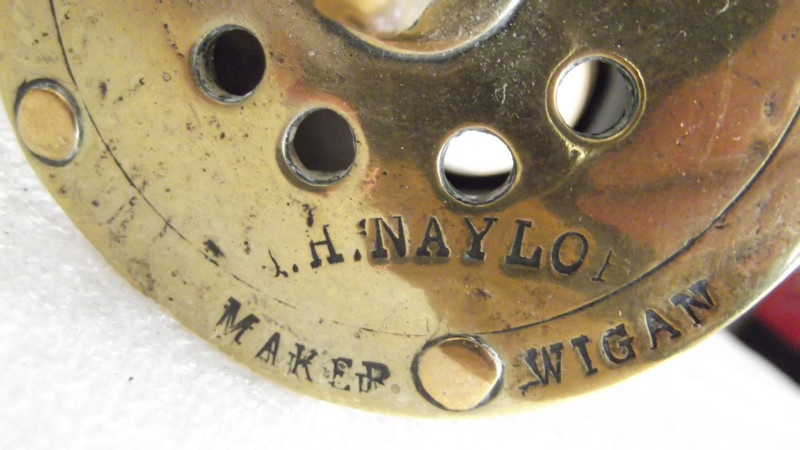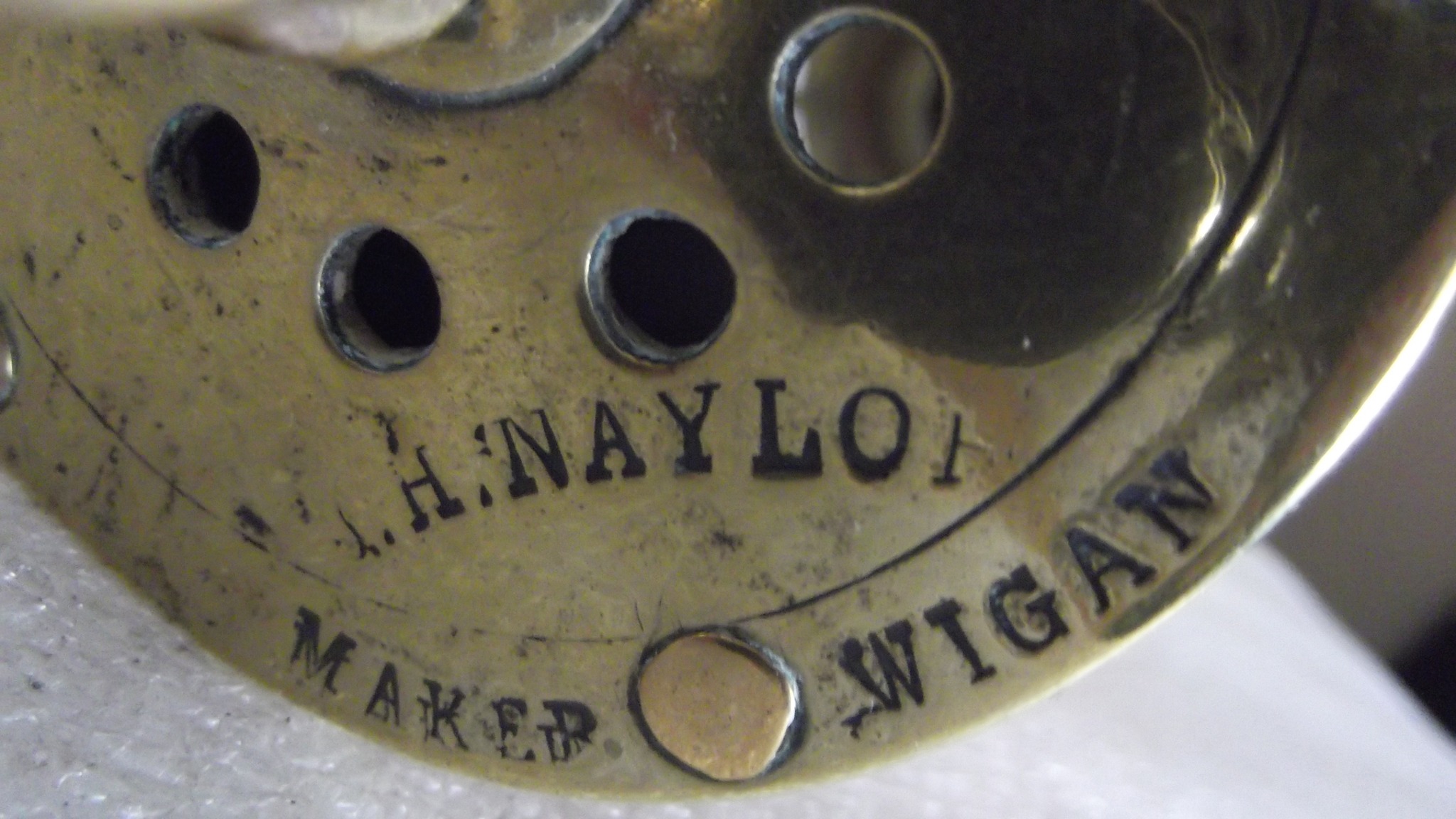
This early J H Naylor lamp, designed in the Clanny type, was once in the possession of The Wigan Coal & Iron Company. The inception of The Wigan Coal and Iron Company came about when John Lancaster’s collieries on the Lancashire Coalfield were acquired by Lord Lindsay, Earl of Crawford and Balcarres, who also owned Haigh Colliery. This acquisition took place in 1865. The company boasted ownership of collieries spread across Haigh, Aspull, Standish, Westhoughton, Blackrod, Westleigh, and St. Helens. Additionally, they operated substantial furnaces and iron-works in proximity to Wigan, along with the Manton Colliery in Nottinghamshire.
The notable collieries under the Wigan Coal and Iron Company umbrella in 1896 included the Alexandra, Bawkhouse, Bridge, Lindsay, and Meadow Pits in Haigh. Among these, Alexandra Pit employed more than 650 workers, while Lindsay Pits had over 350. In Aspull, the Crawford, Kirkless, Moor, and Woodshaw Pits collectively employed more than 1,000 individuals. Further collieries extended across Westhoughton, Hart Common, Hindley, and Standish. The Wigan Coal and Iron Company emerged as the most significant colliery owner on the Lancashire Coalfield, employing 9,000 workers during the 1920s. Their operations included the Parsonage Colliery in Leigh, where shafts sunk between 1913 and 1920 reached unprecedented depths for the era.
The company’s endeavors even extended to an iron ore mine near Dalton in Furness, known as Bercune pit, until 1898. In 1930, a significant amalgamation occurred when The Wigan Coal & Iron Co. Ltd joined forces with the Pearson & Knowles Coal & Iron Co. Ltd to establish the Wigan Coal Corporation. At its zenith, the company employed approximately 12,300 individuals across their underground and surface operations, with this number excluding those engaged in iron ore mines or the iron works itself.