Collector safety check: asbestos, radium, live caps and old batteries
Most of what we collect is perfectly safe on a shelf. But a few bits can bite you when you strip, clean or post them.
Here’s a round-up from manufacturers, museums and government agencies, with links so you can read the full advice.
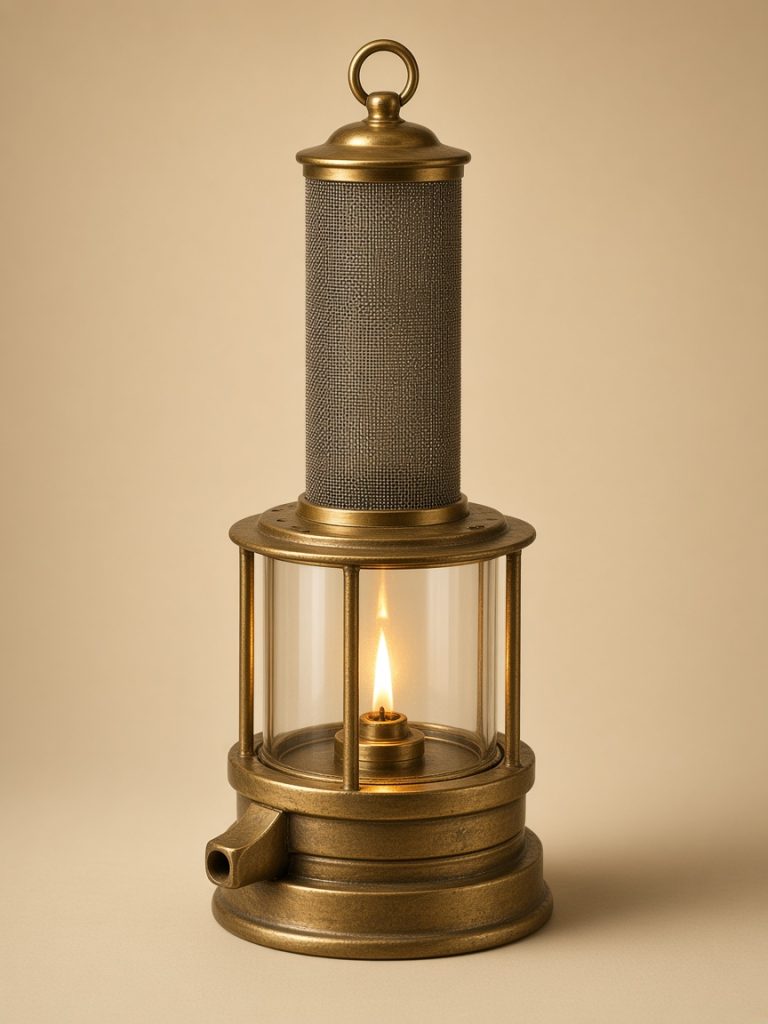
1. Asbestos washers in flame safety lamps
- Protector Lamp (Eccles) told a collector that lamps from before the mid-1970s had white asbestos washers: “You certainly should use a mask, and better still dismantle and remove them in a clear plastic bag you can seal and dispose of later.” From the 1970s they used a brownish-orange asbestos compound that doesn’t crumble, and from about 2001 Kevlar-based washers.
- The gaskets can sit at the top of the glass, the bottom, or both.
- In Australia you can’t tell by looking, so get a sample tested at a NATA-accredited lab, or assume it’s asbestos. No power tools, compressed air, dry sweeping or household vacuum, and it doesn’t go in the wheelie bin.
2. The import trap
The Australian Border Force lists gaskets and seals among goods that may contain asbestos. Asbestos goods are prohibited imports and are seized if detected, and penalties apply. Australia Post doesn’t accept asbestos in the mail at all. When you buy an older flame lamp from overseas, it’s worth asking the seller to take the glass washers out before posting. (That’s our suggestion, not an ABF rule. The ban itself is the rule.)
3. Radium paint on compasses and dials
- Radium luminous paint was used from the 1910s to the 1960s. ARPANSA’s simple test: wrap the item in foil, keep it in a dark drawer for a few days, then look in total darkness. If it glows on its own, it’s radioactive. A faded one can still be “hot”; a Geiger counter is the proper check.
- Keep it in a sealed bag, handle it with disposable gloves, never open it or scrape the paint, and don’t keep a pile of them in the bedroom. If the glass is cracked, bag it and ring your state radiation regulator. Don’t bin it.
4. Blasting cap tins: treat anything inside as live
- After destroying about 2,500 old caps, a Californian bomb squad warned that the friction of opening a container could set them off. Old caps with crystals on them are very dangerous.
- Queensland’s explosives regulator has recovered explosives from properties again and again, mostly from deceased estates, and warns that old gelignite gets more dangerous with age.
5. Old cap-lamp batteries
Lead-acid cells hold sulphuric acid, and nickel-iron and nickel-cadmium (alkaline) cells hold potassium hydroxide. Both can cause serious burns and eye damage. Wear gloves and goggles, take off rings and watches, and don’t try charging an old one: charging gives off explosive gas. B-cycle drop-offs take household batteries up to 5 kg but not lead-acid, which goes to a lead-acid battery recycler.
6. Carbide sludge
Spent carbide is caustic lime and stays toxic for years: 13-year-old samples were still toxic in a 2012 study. Glove up and bag it. Don’t wash it down the drain or into a creek.
7. Cleaning and storage
- Canada’s Conservation Institute says pale green crud in the crevices of brass is often old polish residue that wasn’t rinsed out.
- Lead parts, such as lead rivet locks and solder, corrode to a toxic white powder when kept in wooden cabinets, especially oak. Wear gloves.
Stay safe, and keep enjoying the hobby. Unsure about something? Post a photo in the Facebook group.
Sources
- Protector Lamp blog: asbestos washers in miners’ lamps
- Museum Development North: Hazards in Collections
- Asbestos and Silica Safety and Eradication Agency: finding asbestos
- Australian Border Force: goods that might contain asbestos
- Australian Border Force: sampling and testing for asbestos
- ARPANSA: the foil test for radium
- NZ Ministry of Health: radium information sheet
- ARPANSA: state and territory regulators
- The Union Democrat: Calaveras bomb squad and old blasting caps
- ABC News: dynamite found on a deceased uncle’s farm (RSHQ)
- UK HSE: using electric storage batteries safely
- B-cycle: battery types accepted
- Carbide sludge toxicity study (2012)
- Canadian Conservation Institute: care of metal objects