
Mount Kembla, 31 July 1902: the naked lights that cost 96 lives
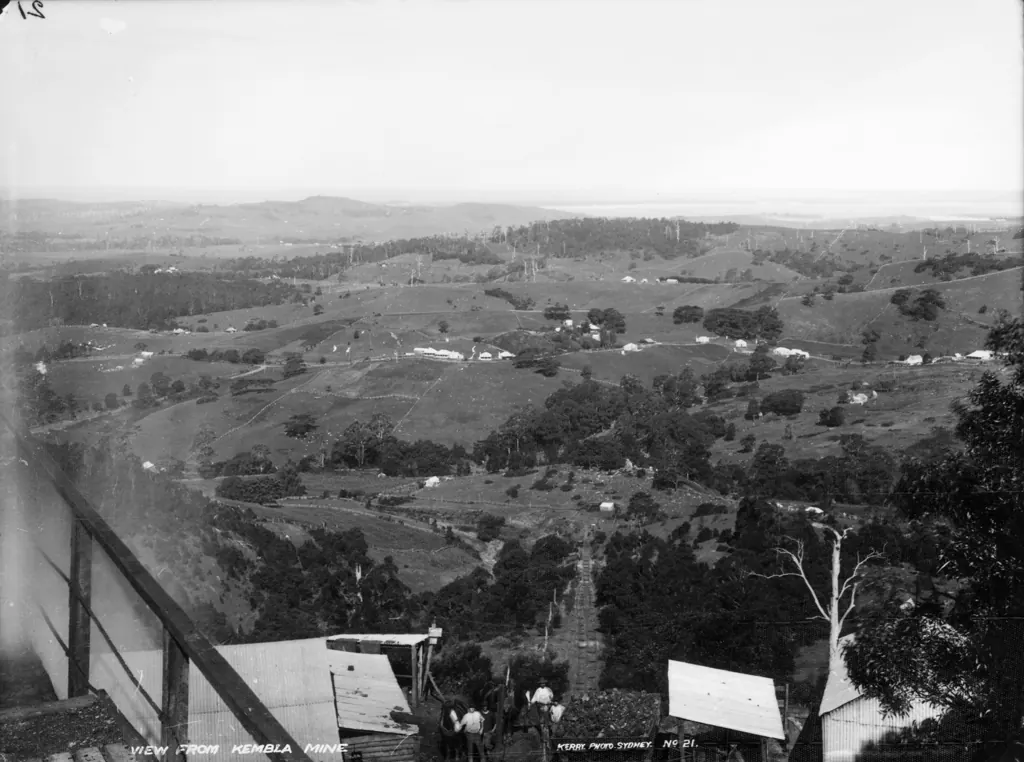
At about 2 pm on Thursday 31 July 1902, an explosion tore through the Mount Kembla colliery near Wollongong, NSW. It was heard in the town below.
What happened
Ninety-six men and boys died, including two rescuers who went in after them. The village was left with 33 widows and 120 children without a father. It is still the worst peacetime disaster in Australian mining history.
The inquest found that firedamp (methane) had been ignited by the miners’ naked lights, and that coal dust carried the explosion through the workings. A Royal Commission sat from March to May 1903. It said that only safety lamps, in place of naked lights, could have saved the men.
Why it matters to lamp collectors
Even after the Royal Commission, naked lights stayed in use in some NSW mines into the 1940s. Many open-flame lamps in collections today come from that time. A safety lamp only works if it’s used, and Mount Kembla is the hard lesson in that.
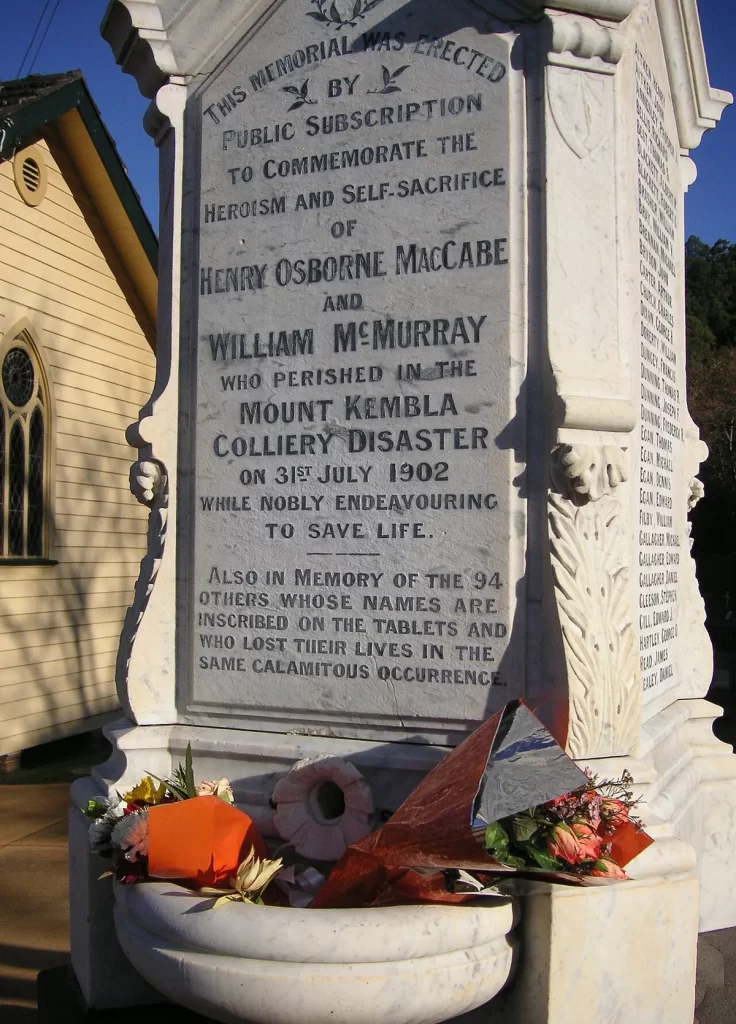
Remembering them
The memorial in the village and the Soldiers and Miners Memorial Church at Mount Kembla remember the 96. If your family has a link to the disaster, we’d love to hear from you through the Facebook group.
The record
| Date | Thursday 31 July 1902, about 2 pm |
|---|---|
| Mine | Mount Kembla Colliery, near Wollongong, NSW |
| Mineral | Coal |
| Cause | Firedamp ignited by naked lights, spread by coal dust |
| Lives lost | 96, including two rescuers |
| Left behind | 33 widows and 120 children |
| Inquiry | Royal Commission, March to May 1903 |